Contents
Key Takeaways
- Alternative banking refers to financial services provided by non-bank entities that offer more efficient, flexible, and budget friendly solutions for global payment processing than traditional banks.
- Common bank alternatives include digital banks such as Airwallex, Payment Service Providers such as PayPal, Credit Union such as CFCU and crypto friendly solutions such as Reap Global.
- Choosing your bank alternatives based on your business needs (e.g. PSPs for ecommerce payment gateways, Neo Banks for online multi currency accounts), pricing comparison, and ensuring the service provider is compliant in your operating countries and industry.
The modern digital landscape of business finance requires flexibility, speed, and agility to satisfy the needs of online businesses in cross-border payment processing. Traditional banks often have higher compliance requirements, high transfer fees, and slower process time. Consequently, online business owners begin to look beyond traditional banks for alternatives that offer quicker processing speed, lower cross border fees, and seamless integration.
In this article, we will explain what alternative banking is, the common alternatives available on the market, and how to choose what is right for you.
What is alternative banking ?
Alternative banking refers to financial services provided by non-bank entities that operate outside the traditional banking system. These bank alternatives offer more efficient, flexible, and budget friendly solutions than traditional banks to meet the growing demand for global payment processing and streamlining digital business operations.
Examples of Banking Alternatives
- Digital/Neo Banks

Digital banks, or Neo banks are digital platforms that provide online banking services, they usually don’t have physical branches and operate entirely online. Just like a traditional bank, digital banks provide products like business accounts, corporate debit cards, and payroll services. Their service revolves around better user experiences, 24/7 customer support, quick process time and low fees for cross border payment processing and foreign currency exchange.
Digital banks are ideal for online businesses that need operational flexibility and competitive fees. They have a lower requirement for account opening and deposit amount than traditional banks. With everything being done online, entrepreneurs can get their businesses up and running much faster regardless of their location. Digital banks also allow third parties integration such as XERO to better streamline their clients’ operations.
On the other hand, it is also important to note that digital or neo banks are more prone to be exposed to regulatory risk since not all of them have their own banking license. Many operate as fintech companies that have a licensed bank partner to hold customer deposits. If a digital bank goes bankrupt, your funds might not be fully insured, as it is not always guaranteed by the digital bank directly.
Famous examples include Airwallex, Payoneer and Currenxie.
- Credit Union

If you are looking for a localized banking experience outside of traditional banks, you may consider going to a credit union. Credit unions are member owned, non profit financial institutions that offer banking services such as saving or checking accounts and loans. You become a member by opening an account with them.
As a non profit entity, credit unions have a member based model where instead of sharing the profit with the shareholders, they return excess earnings to their members in the form of lower loan rates, higher interest rates on deposits, and lower service fees. This community focused approach allows more personalized services and lower loan requirements for those who might be deemed as unqualified in the eyes of traditional banks.
Credit unions have their disadvantages as well. First of all, credit unions are member restricted, meaning you won’t be able to join unless you satisfy specific criterias, such as living in a certain area. Furthermore, credit unions usually operate on a smaller scale and mainly serve local communities, unlike big financial institutions, they have limited resources and cannot offer complex financial products, process large transactions or advanced online services.
Famous examples include CFCU (Community Financial Credit Union) and Navy Federal Credit Union.
- Payment Service Providers (PSPs)
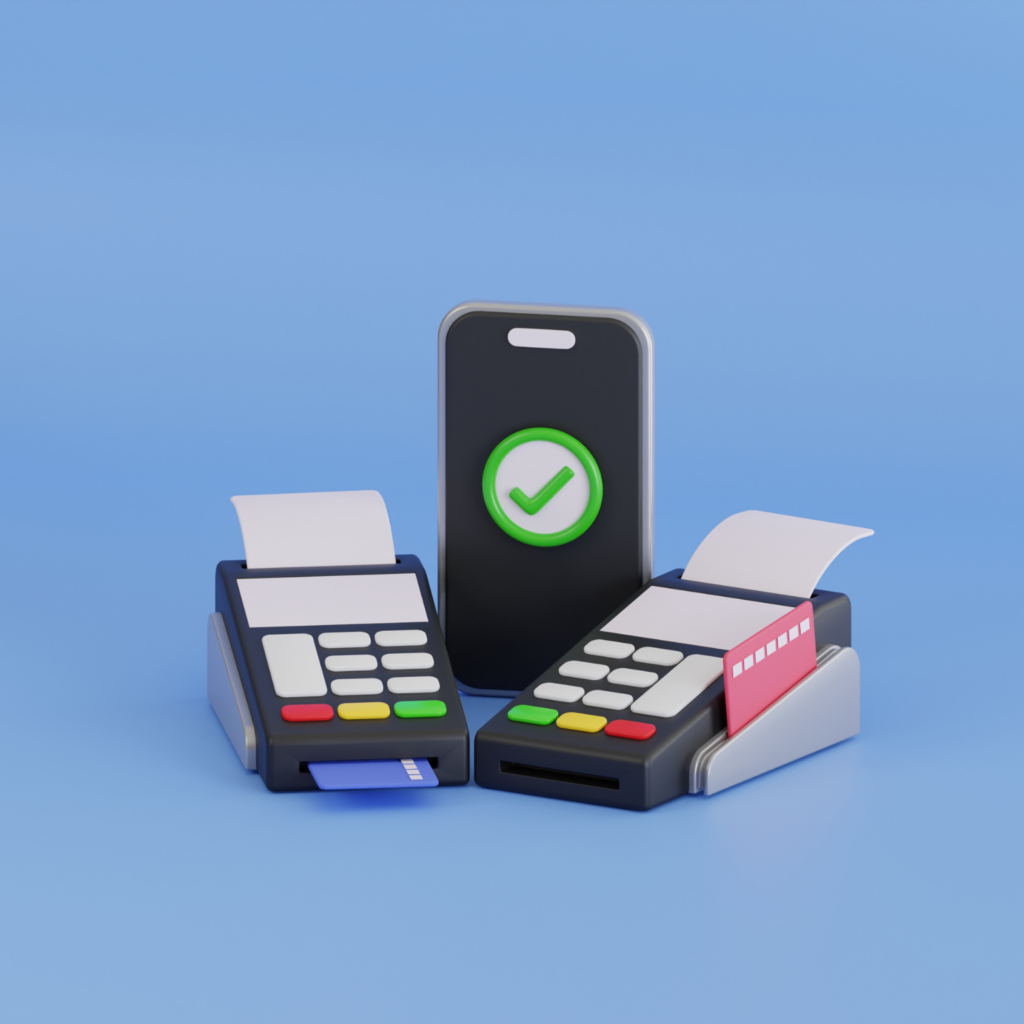
Payment service providers are third party platforms that provide streamlined online payment processing services. PSPs fill a crucial gap where traditional banks could not, which is timely global processing for online payments. They allow online businesses to easily accept and process payments in multiple currencies and localized payment methods from around the world without having to open a business bank account in every country.
Many ecommerce platforms allow the integration of PSPs such as PayPal to set up a secured payment gateway for directly receiving multiple currencies and ensuring quick settlements. Furthermore, PSP users can manage their business expenses such as payroll, subscriptions and bills, all on the same platform. They are also famous for their easy onboarding and fast account opening, providing a secure, ready-to-use and compliance friendly experience that traditional banks cannot match.
Despite the benefits PSPs can offer, they are not a chartered bank and, while highly regulated for payment security, cannot provide the same level of regulatory safety in terms of deposit protection. Furthermore, in exchange for their convenient services, some payment service providers charge a higher fee per transaction or for withdrawal. It is important to check the service provider’s pricing before making a decision.
Famous examples include PayPal and Stripe.
- Cryptocurrency (Stablecoins)

Cryptocurrency, especially stablecoins, is quickly emerging as a viable alternative to traditional banks for online businesses by revolutionizing digital payment processing. Stablecoins such as USDT or USDC, unlike other frequently traded coins such as Bitcoin, are stable assets (1:1 to fiat currency like USD) that can truly utilize the speed and transparency of blockchain technology without the price volatility.
Stablecoins allow merchants to accept cross border payments almost instantly, available 24/7 every day of the year. Besides the incredible processing speed, stablecoins allow business owners to bypass the high transaction and FX fees and any delays in settlement when using a traditional bank. Business owners are now able to use money they earn from a sale within minutes after the transaction takes place, greatly improving a business’s cashflow and operational flexibility.
Stablecoins powered solutions such as Reap Global, use stablecoins as collateral to offer corporate credit/debit cards for businesses to manage their expenses such as payroll. Furthermore, settlement can happen almost instantly when processed in stablecoins, users can then quickly off ramp them into fiat currencies for easy payout, all on the same platform.
However, stablecoins are just being adopted in the modern landscape of business finance in recent years. There are still a lot of uncertainties in terms of regulations, taxation and compliances, business owners should research carefully whether or not it is prohibited to accept stablecoins as payment in their operating regions. The irreversible nature of blockchain technology could be another significant hurdle, as it could result in permanent fund loss, if you type in the wrong payment address or the wrong amount.
Famous examples include RD Technologies and Reap Global.
Which bank alternative is best for you ?
When it comes to choosing the right alternative for your business, there are a few factors that you should consider:
- Evaluate and identify your needs
The right banking alternatives depend entirely on your primary objective. For example, if you are looking for a reliable payment gateway for e-commerce and fast settlement, then you should consider payment service providers. Furthermore, if you are looking to open a remote business bank account that supports multi currency with a competitive FX fee, you should focus on digital/neo Banks.
- Fees comparison
Remember to compare the pricing between different service providers carefully. For instance, If your business has a high sales volume or frequency, you should focus on companies that charge a lower fee per transaction. If your online store accepts payment in multiple currencies, you should choose service providers that offer competitive FX fees.
- Eligible countries and industries
To best protect your company’s interest, it is crucial to make sure the service provider is compliant and operating under the law in all jurisdictions that your business operates in.
- Supporting countries: Make sure the bank alternative can legally provide service to regions where your operations and customers are located. This means that the service provider is bound by the law and regulations in those jurisdictions.
- Prohibited industries: Always read through the service provider’s Acceptable Use Policy, and ensure that your industry and product type are not in conflict with their list of prohibited industries.
Frequently Asked Questions
1. What is alternative banking?
Alternative banking refers to financial services offered by non-bank entities that operate outside the traditional banking system, they provide more efficient, flexible, and budget-friendly solutions to meet the demands of global payment processing and digital business operations.
2. What are the examples of alternative banking?
Famous alternative banking examples include Airwallex (digital/neo bank), CUFU (credit union), PayPal (payment service provider) and stablecoins powered solutions such as Reap Global.
3. Are bank alternatives safe?
Yes, although they are not chartered banks, they are highly regulated and required to obtain specific licenses depending on their services. To best protect your business, always only use fully licensed service providers as they are bound by laws and regulations to secure your funds.