Contents
Introduction
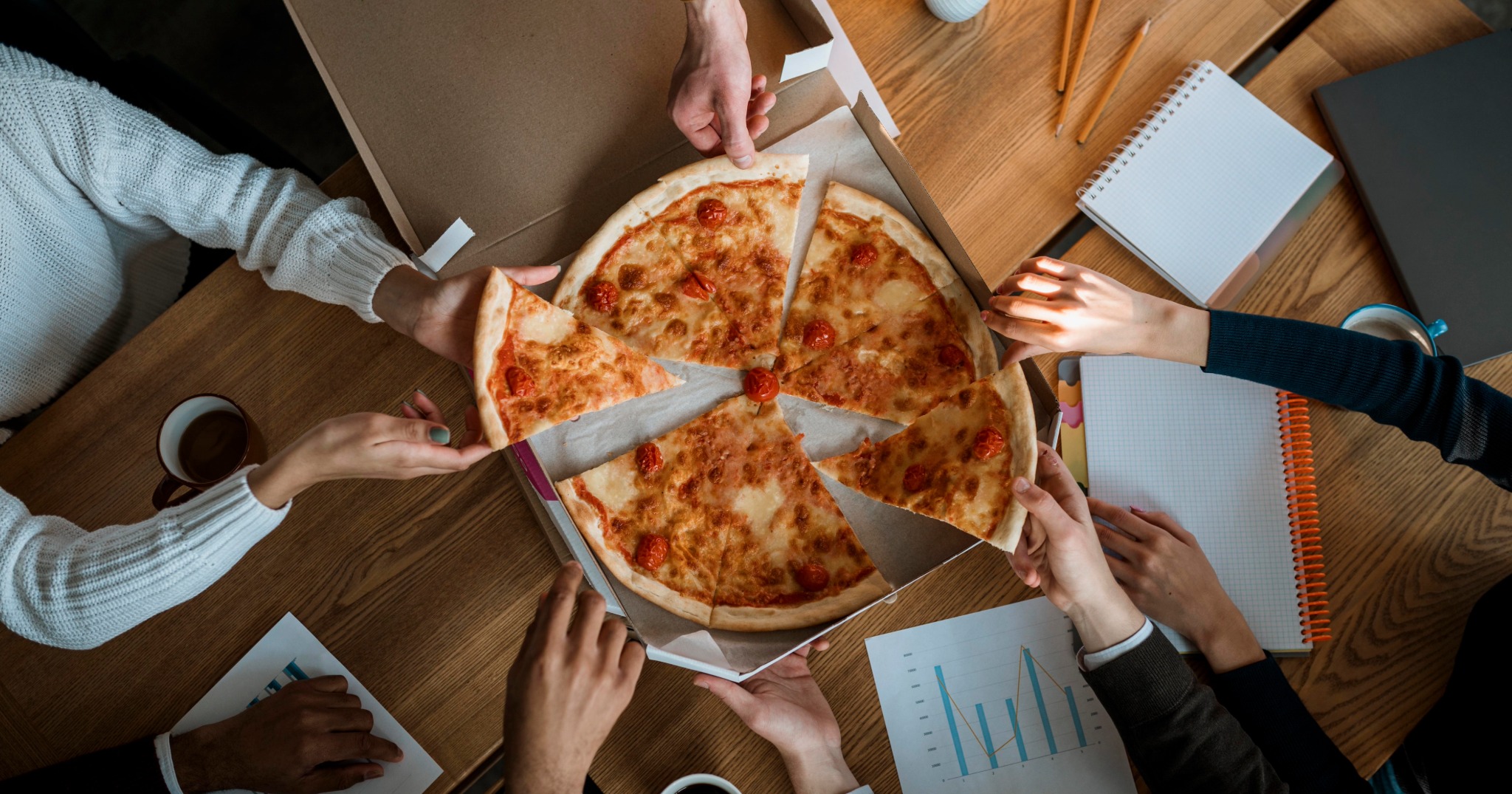
A pizza reward angers a high-performing team because the gesture is wildly disproportionate to what they delivered. When people generate $2 billion and receive a $50 gift card, the message they hear is not “thank you” — it is “I don’t see what you did.”
Entrepreneurs who set up company structures and manage compliance understand that proportionality defines credibility. Reputation moves fast, and a single gesture can build trust or quietly break it. A pizza is generous for a small win and insulting for a massive one. The same gift sends opposite messages. People don’t measure a reward by what it costs — they measure it against what they delivered.
AI can explain positive gestures and defaults to safe, agreeable advice. It cannot read proportionality or social context. That is the trap.
Perks Fade Fast; Respect is What Your Team Remembers
Recognition is about treating people as ends in themselves, not just as engines for profit. When you reward proportionally, you affirm dignity and acknowledge that what was given mattered. A token gift after a huge contribution quietly treats people as a means, and they feel the difference even when they cannot name it.
Psychologists call this the peak-end rule: we encode emotional moments far more vividly than material ones. The pizza is forgotten by Friday, yet the feeling of being undervalued lingers for years. Memory is built from emotion, and respect is the emotion that sticks.
When effort and reward are mismatched, it triggers a sense of injustice that erodes trust. People will walk away from well-paying jobs that disrespect them, because the moral wound outweighs material comfort. Entrepreneurs know this principle well — respect is the currency that sustains loyalty.
Why AI Gives Team Leaders the Wrong Answer Here
AI is optimized for agreeableness, not honesty. Models are trained to be helpful and encouraging, so they default to validation. “Should I reward my team?” gets a cheerful yes, because discouraging a positive gesture feels unhelpful. Agreeable is not the same as correct.
AI cannot weigh proportionality. It does not know if your team earned $2 billion or $2,000, and even if told, it cannot feel how absurd a small reward is against a massive result. Proportionality is the whole question, and it is exactly what AI flattens.
Rewards are signals, not transactions. How they land depends on history, expectations, culture, and timing. These are invisible social layers humans read instinctively. AI has no access to that room. Entrepreneurs should know that leadership requires judgment beyond checklists.
Case Study: The Proportionality Principle
The Pizza That Backfired
For nine months, a 12-person product team practically lived at the office. They endured layoffs, postponed launches, and sacrificed holidays. When the product finally launched, it secured the largest client deal in company history.
The following Friday, the VP rolled in a cart of pizzas and said, “You’ve earned this — enjoy.” A few applauded. Most quietly took a slice and returned to work. What hurt was not the pizza itself, but what followed: nothing. No extra time off. No company-wide recognition. One engineer summed it up: “I missed my kid’s birthday for that launch. And the thank-you was the same lunch we get on a regular Friday.”
Within months, top performers left. The issue was not about wanting a windfall. The team wanted their sacrifice acknowledged meaningfully. A pizza they could have bought themselves signaled that it wasn’t.
The Pizza That Worked
A small support team faced a two-day outage with frustrated customer calls. They worked late, stayed composed, and kept tensions from escalating.
The next morning, their manager brought pizza — yet before anyone ate, she gathered the team and named each person’s contribution. She had reviewed tickets, knew who calmed the angriest callers, and who covered phones so others could rest. Then she told them to take the afternoon off.
To this day, that team recalls “the outage week” with pride. The same pizza became a symbol of recognition because it was paired with sincerity and proportionality.
Case Study: The Management Questions AI Gets Wrong
Equal Raises That Demotivated High Performers
A team lead asked AI whether she should divide her raise budget evenly. The advice was predictable: equal increases are fair, reduce tension, and are easy to manage. She followed it. Everyone received the same 4% raise.
The fallout was immediate. Top performers felt deflated. Their extra effort translated into the same outcome as colleagues who did the bare minimum. One remarked, “If going above and beyond doesn’t matter, why push?” Soon after, they scaled back. The low performer was satisfied.
The advice equated equality with fairness. Fairness in a performance-driven team means recognizing differences in contribution.
Handling an Underperformer Without Context
A first-time manager asked AI how to handle a team member missing deadlines. The guidance was procedural: document gaps, outline expectations, set up a formal performance discussion.
He executed it exactly. The conversation felt like a disciplinary hearing. The employee became withdrawn. Morale dipped. What never surfaced in the AI’s checklist was a simple question: Why was performance slipping?
It turned out the employee was managing a serious family health issue. A quick human check-in could have changed everything. Instead, a personal challenge was handled like a policy violation.
AI provided a technically correct response, yet context-blind. Leadership lives in the space between policy and people.

How to Reward a High-Performing Team Without Insulting Them
- Pair gestures with recognition: A perk alone feels transactional. Recognition makes it meaningful.
- Name the work, not just the win: Specific acknowledgment shows leaders saw the effort.
- Scale rewards to achievements: A record-breaking result requires more than a routine gesture.
For entrepreneurs setting up companies in Hong Kong or managing compliance, proportionality separates respect from insult. A billion-dollar achievement might warrant equity options, public acknowledgment in industry press, or structured career advancement. Even when budgets are tight, leaders can afford sincerity.
Conclusion
The pizza was never the problem. The gap between effort and reward was. Recognition is always read in relation to achievement. AI can suggest rewarding teams, yet it cannot measure proportionality or human emotion.
Leaders must run the test themselves: “You did this, so here’s ____.” If the answer feels disproportionate, the gesture will fail. Entrepreneurs, please know that respect drives retention. Match the reward to the result, name the work, and ensure recognition scales with achievement. That is how leaders turn gestures into lasting loyalty.
FAQ
1. Why does a pizza reward feel insulting after a billion-dollar achievement?
Because the gesture is disproportionate. People measure rewards against what they delivered, not the cost of the perk.
2. How can entrepreneurs apply this principle?
By ensuring recognition scales with contribution. In compliance and company setup, proportional acknowledgment builds trust with both employees and regulators.
3. Why can’t AI give the right advice here?
AI defaults to safe, agreeable answers. It cannot weigh proportionality, cultural context, or emotional impact.
4. What is the peak-end rule and why does it matter?
It is a psychological principle showing that people remember emotional peaks and endings more vividly than material details. Respect lasts longer than perks.
5. What is the single biggest mistake leaders make in rewarding teams?
Using the same gesture for extraordinary wins as for ordinary weeks. Proportionality is what separates respect from insult.
Image Source: Magnific